

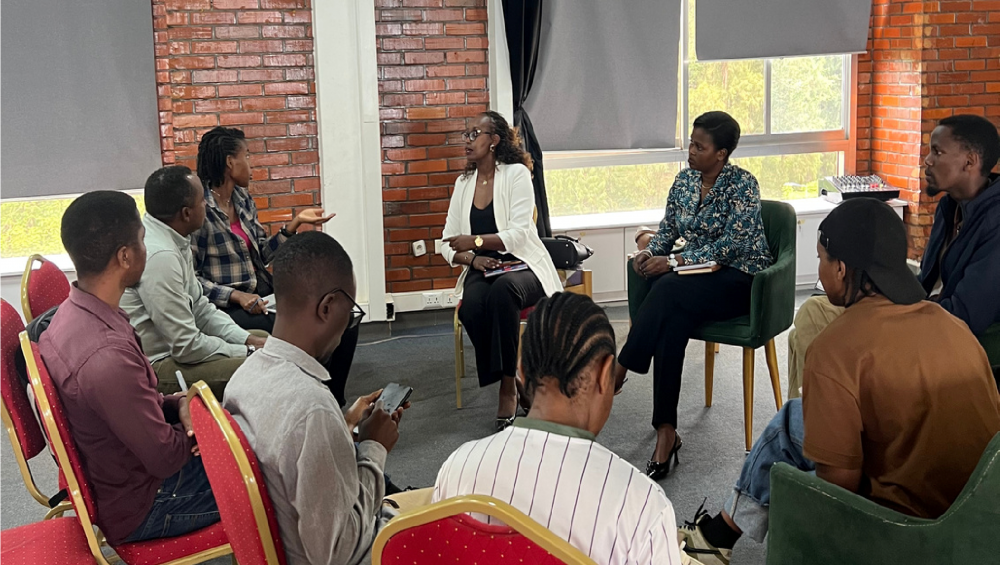
As Rwanda continues to position itself as a regional innovation and entrepreneurship hub, empowering young entrepreneurs with the knowledge required to protect and scale their ideas has become increasingly important. Recognizing this need, the Startup Forward Program brought together innovators, startup founders, and ecosystem stakeholders to strengthen awareness around intellectual property protection and startup funding strategies.
Organized by RSIAFRICA in collaboration with UNIPOD Rwanda, Inkomoko, and Rwanda Development Board, the initiative focused on equipping early-stage entrepreneurs with practical knowledge on securing funding opportunities while safeguarding their innovations through intellectual property (IP) protection.
The program addressed a growing challenge faced by many young innovators: transforming creative ideas into sustainable ventures within highly competitive and rapidly evolving business environments. Across Africa and globally, startups continue to play a critical role in job creation, economic resilience, and technological advancement. However, many entrepreneurs struggle to access financing, navigate investor expectations, and understand the importance of protecting their intellectual assets during the early stages of growth.
Through interactive discussions, knowledge-sharing sessions, and ecosystem engagement, Startup Forward created a collaborative platform where participants explored both the strategic and practical dimensions of entrepreneurship. The program specifically targeted young entrepreneurs and innovators working across sectors such as agriculture, energy, health technology, and the creative industries.
One of the central themes of the program was the importance of intellectual property protection as a foundation for sustainable innovation. Participants were introduced to key concepts related to patents, trademarks, copyrights, and trade secrets, while also learning how IP ownership can support partnerships, investor confidence, and long-term business competitiveness. The sessions emphasized that intellectual property protection is not simply a legal requirement, but a strategic tool that enables startups to secure exclusive rights to their innovations, reduce competitive risks, and create long-term business value.
The program also explored the realities of startup financing and the complexities of fundraising for early-stage ventures. During the funding awareness sessions, participants gained insight into investor expectations, financial planning, market validation, and revenue generation strategies. Facilitators guided entrepreneurs through different funding pathways including bootstrapping, grants, bank loans, angel investment, venture capital, crowdfunding, and government support mechanisms. The discussions highlighted how each funding option carries distinct requirements, opportunities, and levels of risk that entrepreneurs must understand before pursuing investment.
Importantly, the initiative went beyond theoretical learning by connecting innovators with mentors, ecosystem stakeholders, and support structures capable of assisting them in the next stages of their entrepreneurial journeys. Participants demonstrated increased confidence in discussing their innovations, approaching investors, and identifying the aspects of their businesses that required legal and strategic protection.
As part of the program’s outcomes, several promising innovations and startups were selected to receive support for intellectual property registration. This support aims to help entrepreneurs formally secure their ideas and position themselves for future growth, partnerships, and commercialization opportunities.
The Startup Forward Program also reinforced the importance of ecosystem collaboration in supporting entrepreneurship development. By bringing together innovation hubs, business support organizations, policymakers, and entrepreneurs, the initiative contributed to strengthening Rwanda’s broader startup ecosystem and creating opportunities for knowledge exchange and long-term support.
More broadly, the program highlighted the immense potential of young innovators when equipped with the right tools, mentorship, and strategic guidance. As Rwanda continues investing in entrepreneurship and innovation-led development, initiatives focused on IP awareness, startup resilience, and funding readiness will remain critical in helping early-stage ventures transition from ideas into scalable and sustainable businesses.
Through programs like Startup Forward, Rwanda’s next generation of entrepreneurs is gaining not only the technical knowledge required to build businesses, but also the confidence and strategic understanding needed to navigate complex innovation landscapes and contribute meaningfully to economic transformation.