
As Rwanda continues to strengthen its industrial and innovation ecosystem, initiatives focused on practical skills development and local manufacturing are playing an increasingly important role in shaping the country’s future workforce. One such initiative is the Precision Woodworking Training Program hosted by UNIPOD Rwanda, a hands-on digital manufacturing program designed to equip young innovators with modern furniture production and CNC manufacturing skills.
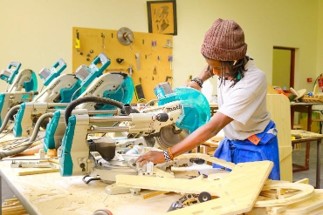
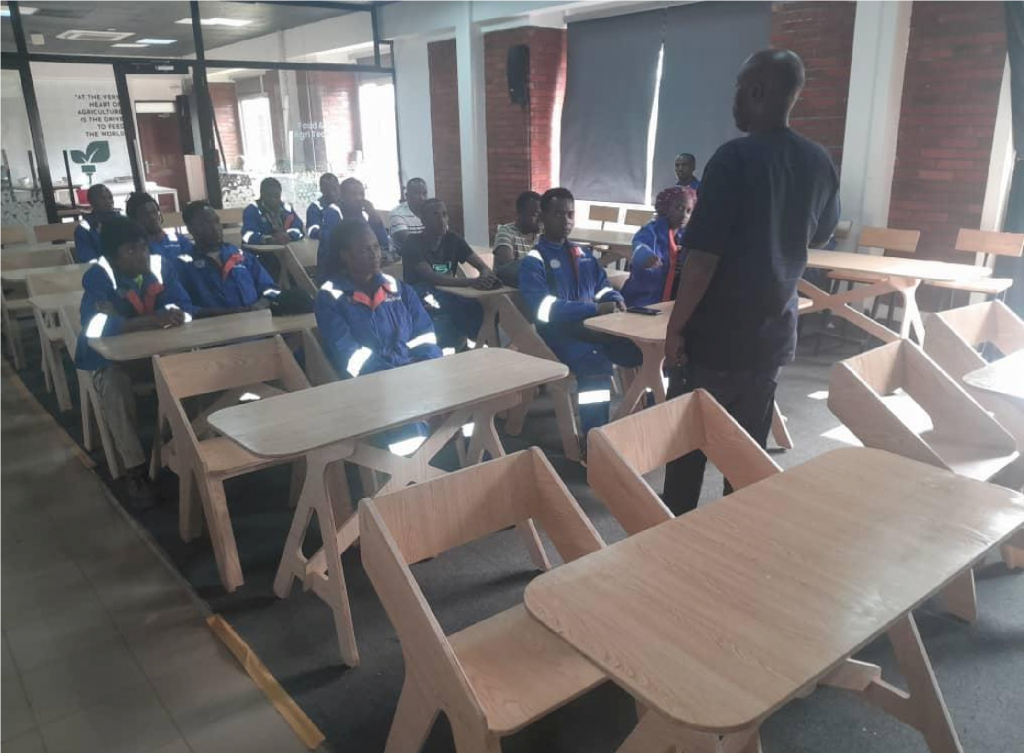
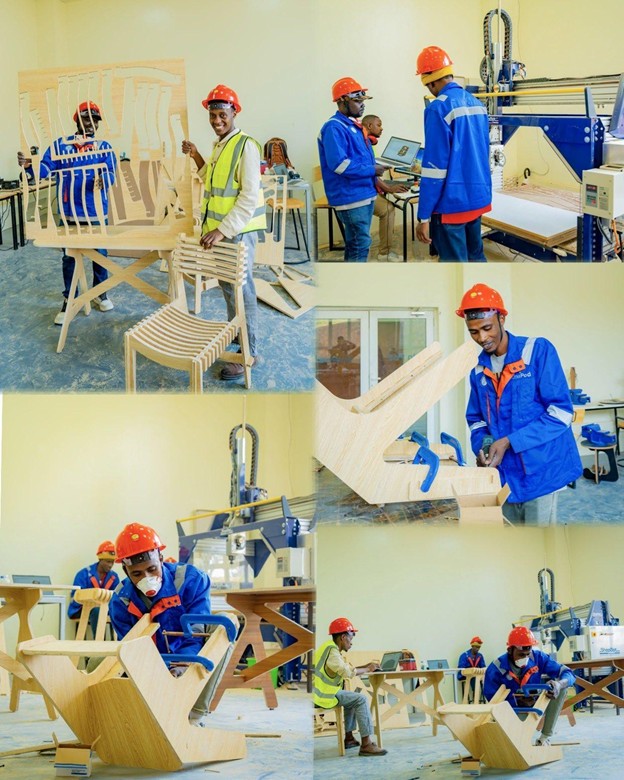
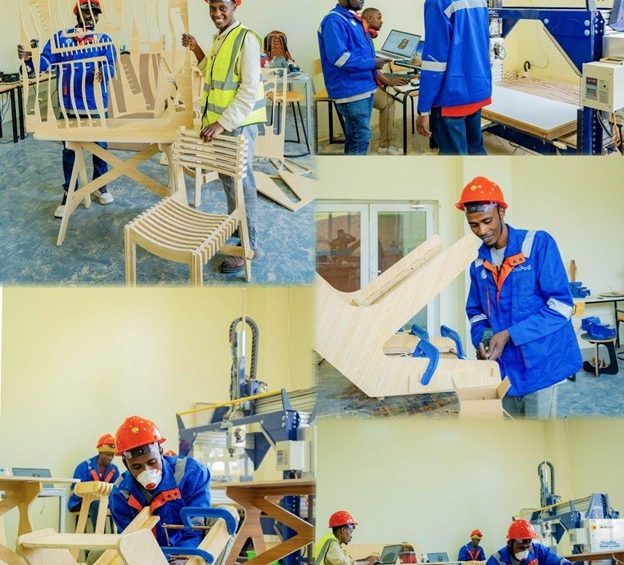
Conducted over a six-week period at the UniPod Woodworking & Digital Fabrication Facility, the program brought together 30 participants across two cohorts for intensive training in Computer-Aided Design (CAD), Computer-Aided Manufacturing (CAM), CNC machine operation, and modular furniture production. The initiative combined technical learning with practical application, enabling trainees to design and manufacture real furniture products while gaining industry-relevant experience.
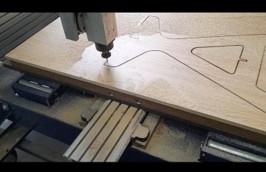
The training was structured to provide a progressive learning experience. During the first week, participants focused on CAD/CAM systems and modular furniture design principles. The second week introduced CNC machine operation and digital fabrication processes, while the final phase emphasized prototype development, furniture assembly, and finishing techniques. This practical approach ensured that participants not only understood the theory behind digital manufacturing, but also acquired hands-on experience in transforming designs into finished products.
The program was delivered by a multidisciplinary team of experts specializing in CNC operations, product design, architecture, and industrial design. Their combined expertise provided participants with exposure to both technical manufacturing processes and creative design thinking, creating a balanced learning environment that encouraged innovation and precision craftsmanship.
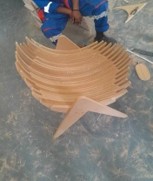
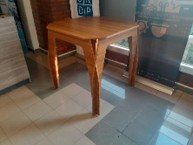
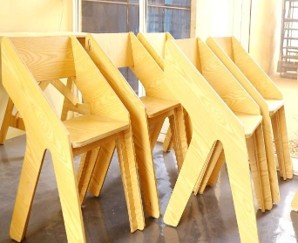
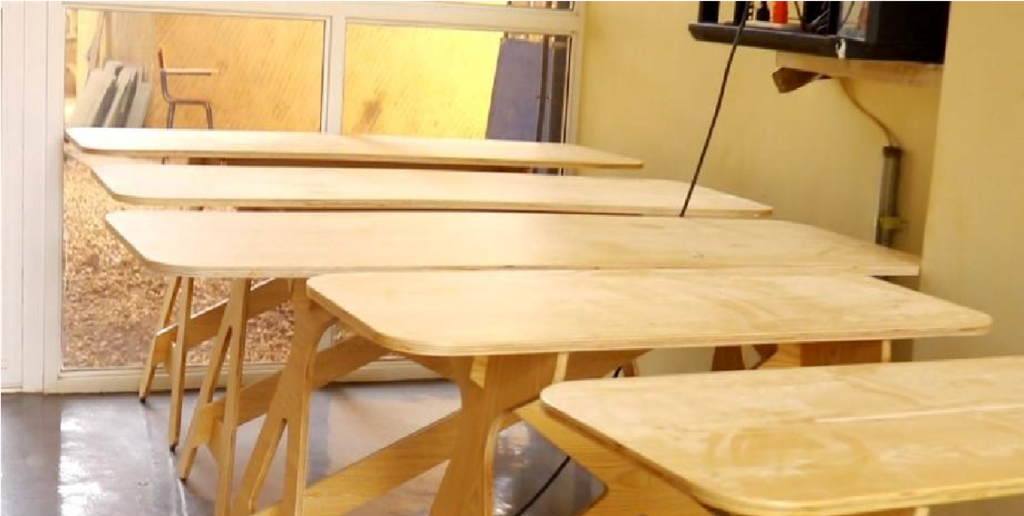
A key outcome of the program was the successful production of modular furniture pieces including stools, tables, and chairs using CNC-based manufacturing techniques. These products are now actively used across UniPod spaces such as meeting rooms, offices, and the Pod Café, serving as visible evidence of the trainees’ capabilities and the effectiveness of locally driven manufacturing solutions.
Beyond skills development, the initiative demonstrated strong economic value. According to the program report, the locally manufactured furniture generated an estimated procurement value of approximately RWF 10,950,000 — costs that would otherwise have been spent on purchasing furniture externally. This outcome highlights the growing potential of local digital manufacturing to contribute to import substitution, reduce operational costs, and strengthen Rwanda’s domestic production capacity.
The training also contributed to broader national goals related to youth empowerment, entrepreneurship, and industrial transformation. By equipping participants with practical and market-oriented skills, the program created opportunities for young innovators and aspiring entrepreneurs to engage in furniture production, product design, and manufacturing-related ventures. It further demonstrated how digital fabrication technologies can modernize traditional carpentry practices and introduce new standards of precision, efficiency, and scalability within Rwanda’s furniture industry.
In addition to supporting local manufacturing, the program showcased the potential for Rwanda-made modular furniture to compete within regional and international markets. The prototypes produced during the training reflected not only technical competence but also innovative design approaches capable of meeting contemporary market demands.
While the program achieved significant success, the report also identified important areas for future growth. Challenges such as limited CNC machine capacity and incomplete workshop infrastructure highlighted the need for investment in industrial-scale equipment and complementary woodworking tools. Expanding these capabilities would strengthen production efficiency, improve finishing quality, and enable UniPod to scale its digital manufacturing initiatives further.
Looking ahead, the Precision Woodworking Training Program provides a strong foundation for establishing UniPod as a regional hub for digital furniture manufacturing and innovation-driven skills development. Through continued investment, partnerships, and advanced training opportunities, initiatives like this have the potential to accelerate Rwanda’s transition toward a knowledge-based and manufacturing-driven economy.
More importantly, the program stands as a powerful example of how practical education, innovation, and technology can converge to create sustainable economic opportunities for young people while contributing to national industrial development.